
Plant-based fitness meals are changing how athletes and fitness enthusiasts fuel their bodies. Gone are the days when protein-packed diets meant only chicken and egg whites. More people now see the power of plant-based food for active lifestyles.
Plant-based fitness meals offer variety and are packed with nutrients. From protein-rich legumes to vegetables full of antioxidants, these meals provide many benefits. They help improve workout performance and speed up recovery.
Creating well-rounded, satisfying plant-based meals takes a bit of knowledge and creativity. It’s not about simply having a salad.
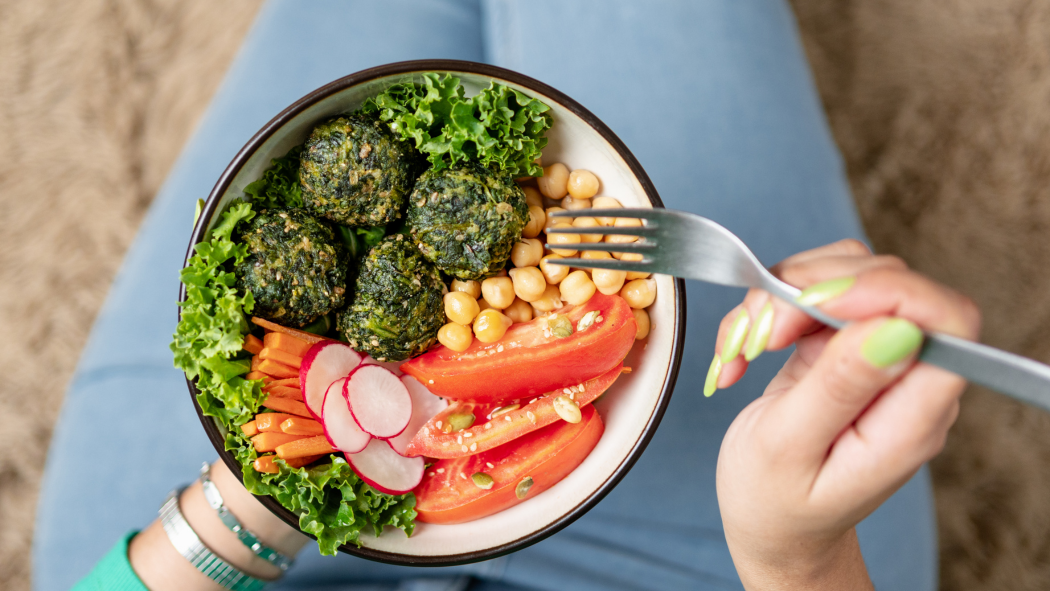
Many think plant-based fitness meals don’t have enough protein. But plants can give us all the essential amino acids needed to build and fix muscle. Here are some top plant-based protein sources:
Adding these protein sources to your meals helps your body get what it needs. This supports muscle growth and repair.
Protein is vital, but it’s not the only thing to think about. Carbohydrates and healthy fats are also important for fuelling workouts and staying healthy.
Complex carbs are the body’s main energy source, especially for long workouts. They slowly release glucose into your blood, keeping your energy up.
Great sources of complex carbs for plant-based fitness meals include:
Don’t avoid fats in your plant-based meals. Healthy fats help with hormone production, absorbing nutrients, and reducing swelling.
Good sources of healthy fats are:
Macronutrients get a lot of attention, but micronutrients are just as important. These vitamins and minerals are vital for making energy, muscle function, and recovery.
Iron helps carry oxygen to your muscles during exercise. Plant-based iron isn’t absorbed as easily as animal-based iron. But you can help your body absorb it by eating iron-rich foods with vitamin C.
Add these to your plant-based meals:
Calcium and vitamin D keep bones strong, which is key for fitness. Plant-based meals can provide plenty of these nutrients.
Good plant-based sources are:
Knowing when to eat is as crucial as what you eat. Here’s how to time your meals around workouts:
Eat a meal with carbs and some protein 2-3 hours before working out. If you’re short on time, have a small snack 30-60 minutes before.
Good options are banana with almond butter or a smoothie with plant-based protein powder.
After working out, refill your glycogen and provide protein for muscle repair. Try to eat within 30-60 minutes after exercise.
A good meal could be a quinoa bowl with roasted veggies, chickpeas, and tahini dressing.
Here are some examples of balanced and tasty plant-based fitness meals:
A well-planned plant-based diet can cover most nutritional needs, but some athletes might need supplements. Always talk to a healthcare professional before taking supplements. Consider these:
Switching to plant-based fitness meals can have challenges. Here’s how to deal with some common issues:
Plant-based foods often have fewer calories than animal products. If you need more calories, add calorie-rich foods like nuts, seeds, avocados, and whole grains.
More fibre can cause digestive problems at first. Slowly increase your fibre and drink plenty of water to help your body get used to it.
Try different foods and flavours to keep your meals interesting. Explore new recipes and be creative in the kitchen. Adding things like peanut butter and canned beans to your diet can be great.
Here is a simple table to track your meal ideas:
| Meal | Main Ingredients | Protein Source | Notes |
|---|---|---|---|
| Breakfast | Oats, Plant-Based Milk, Fruit | Chia Seeds, Protein Powder | Add berries for extra flavour. |
| Lunch | Quinoa, Mixed Greens, Roasted Veggies | Lentils | Use a lemon-tahini dressing. |
| Dinner | Brown Rice, Mixed Vegetables | Tofu | Marinate tofu before cooking. |
| Snack | Banana, apple slices | Peanut Butter, Protein Balls | Easy and quick energy boost. |
Yes. With good planning and enough protein, you can build muscle well. Eat different protein-rich plant foods and enough calories to help muscle growth.
Not all plant proteins have all essential amino acids, but eating different plant proteins gives you all you need. Quinoa, soy, and hemp seeds are complete proteins.
Add tofu, tempeh, or legumes to your meals. Sprinkle hemp seeds or nutritional yeast on salads and soups. You can also use plant-based protein powders in smoothies or baked items. Using chickpea flour is another excellent source to add protein.
It’s good to have protein after working out, but you don’t have to rush. Eating a balanced meal with protein within 2 hours of your workout is best for recovery.
High-protein vegan meals are a great way to maintain a healthy lifestyle.
“A well-planned vegan diet can provide all the necessary protein for good health.”
Some popular high-protein vegan meal concepts include:
Breakfast options:
For a balanced diet, aim to include a variety of protein-rich foods in your meals.
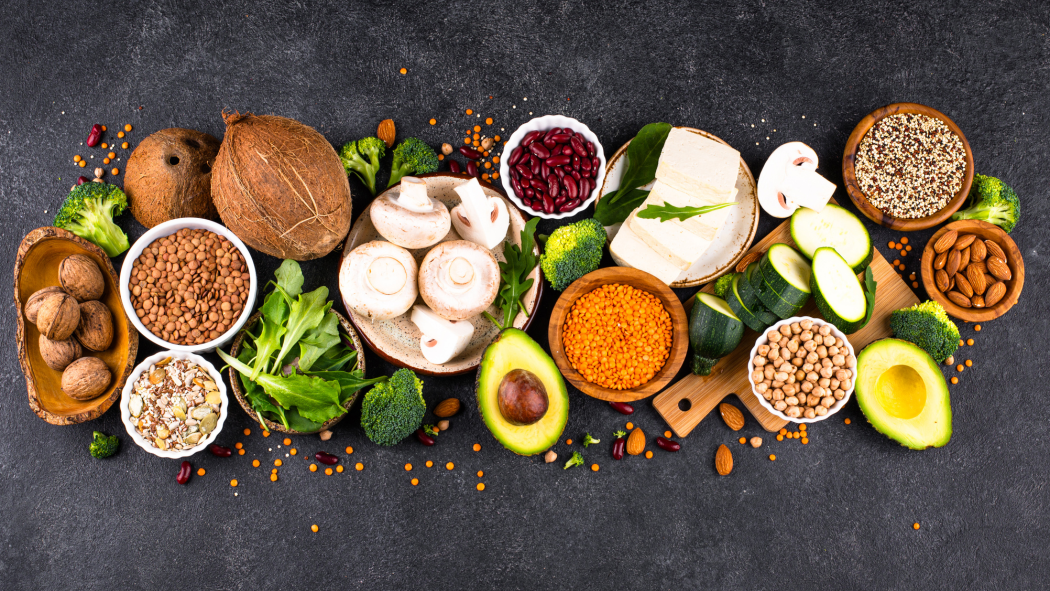
Plant-based fitness meals are a great way to fuel your active life. They also support your health and are good for the planet.
By eating various nutrient-rich plant foods, balancing your nutrients, and timing your meals, you improve your performance and recovery. Starting plant-based fitness meals is a journey, so be patient and enjoy trying new foods.
With planning and some imagination, you’ll find that plant-based eating can be tasty and effective for your fitness goals. A plant-based protein diet is excellent.
Elements4Life Gym in Canberra is an opportunity to enhance your fitness and lifestyle. Engage in our SmartTeam training system or work directly with a FocusPT coach to optimise your results.
Get started at Elements4Life and #Train4Life.
Learn more and sign up today at www.elements4life.com.au.

 ‘Service’ defined as ‘the action of helping or doing work for someone’ - the service that Elements 4 Life provides goes beyond this. The coaches are genuine, their approach to training is exciting and progressive, you will be supported and challenged to be the best version of yourself – mind and body. Then there’s the amazing people, our E4L community, this is what makes the gym so unique to all the other gyms I’ve been a member of.
 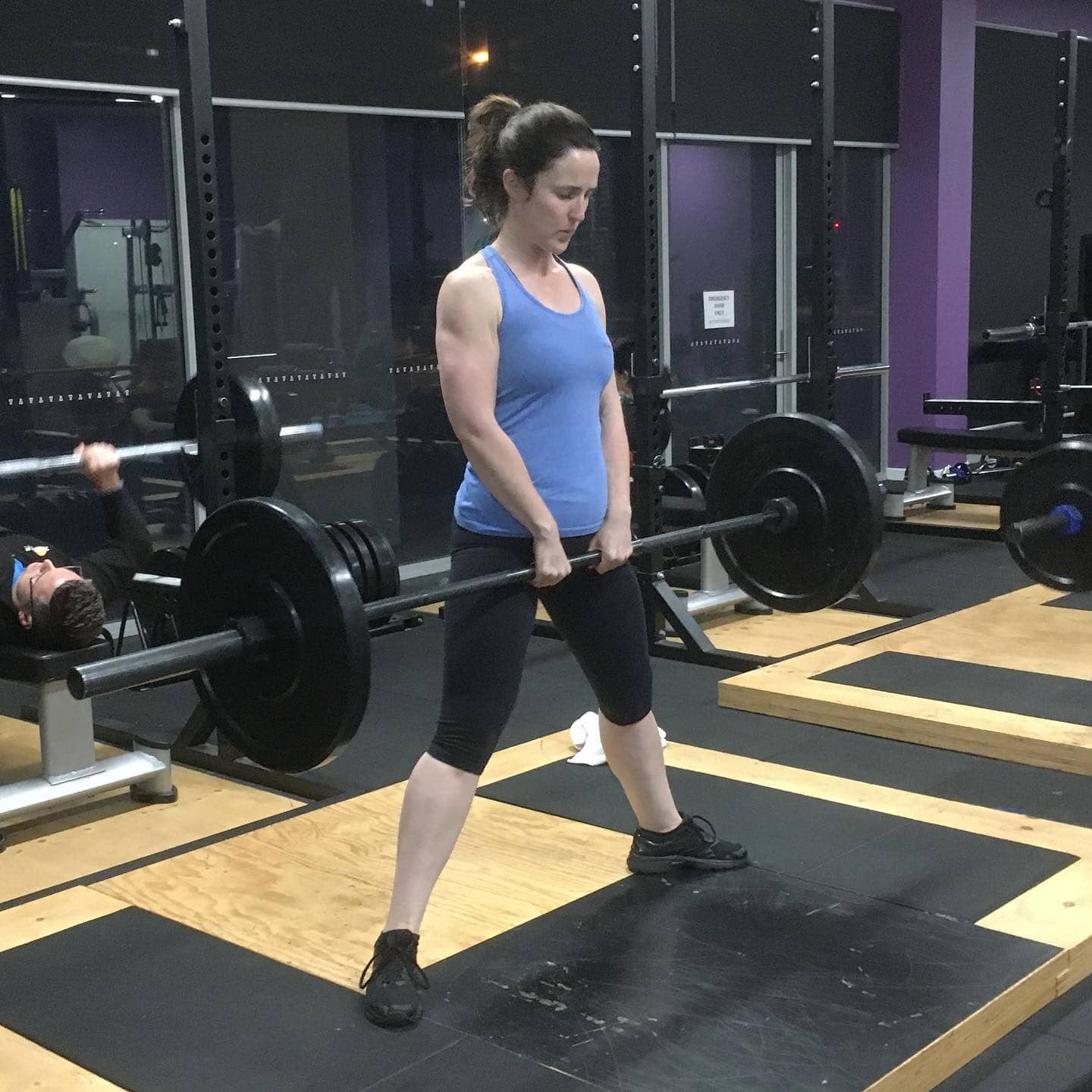 Sab and Erin offer a personalised and uniquely supportive approach to fitness. Be it classes or personal training everyone, regardless of ability, is catered for. I have trained with them for over two years now and can not speak more highly of them. They have supported me through both injury and illness without a second thought. It is not just a gym, we're a community.
 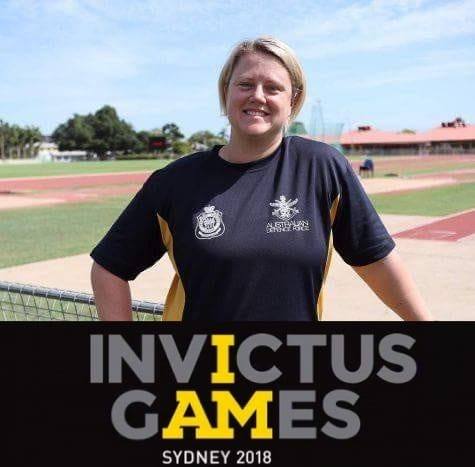 Sab, Erin, and Joe are a great team who work hard to not only a gym but a thriving community. They also don't just get you to throw weights around the place but to think constructively about your training, own it and do the work whilst shaping lifestyle changes that last for the long term.